 After receiving my call sign today, I made my first contact. No, not as in the Star Trek movie “First Contact”.
I spoke with my Elmer, WE6Z, and had a pleasant conversation. My first ham radio contact. Woot!
After receiving my call sign today, I made my first contact. No, not as in the Star Trek movie “First Contact”.
I spoke with my Elmer, WE6Z, and had a pleasant conversation. My first ham radio contact. Woot!
This morning I checked the FCC database to see if my call sign had been issued. I passed my technician exam on Wednesday of last week and one of the other hams said I should get my call sign on Wednesday – today. He was right!
My ham radio call sign is KK6MNJ. Now I can talk on the air. See you on the other end of the coax.
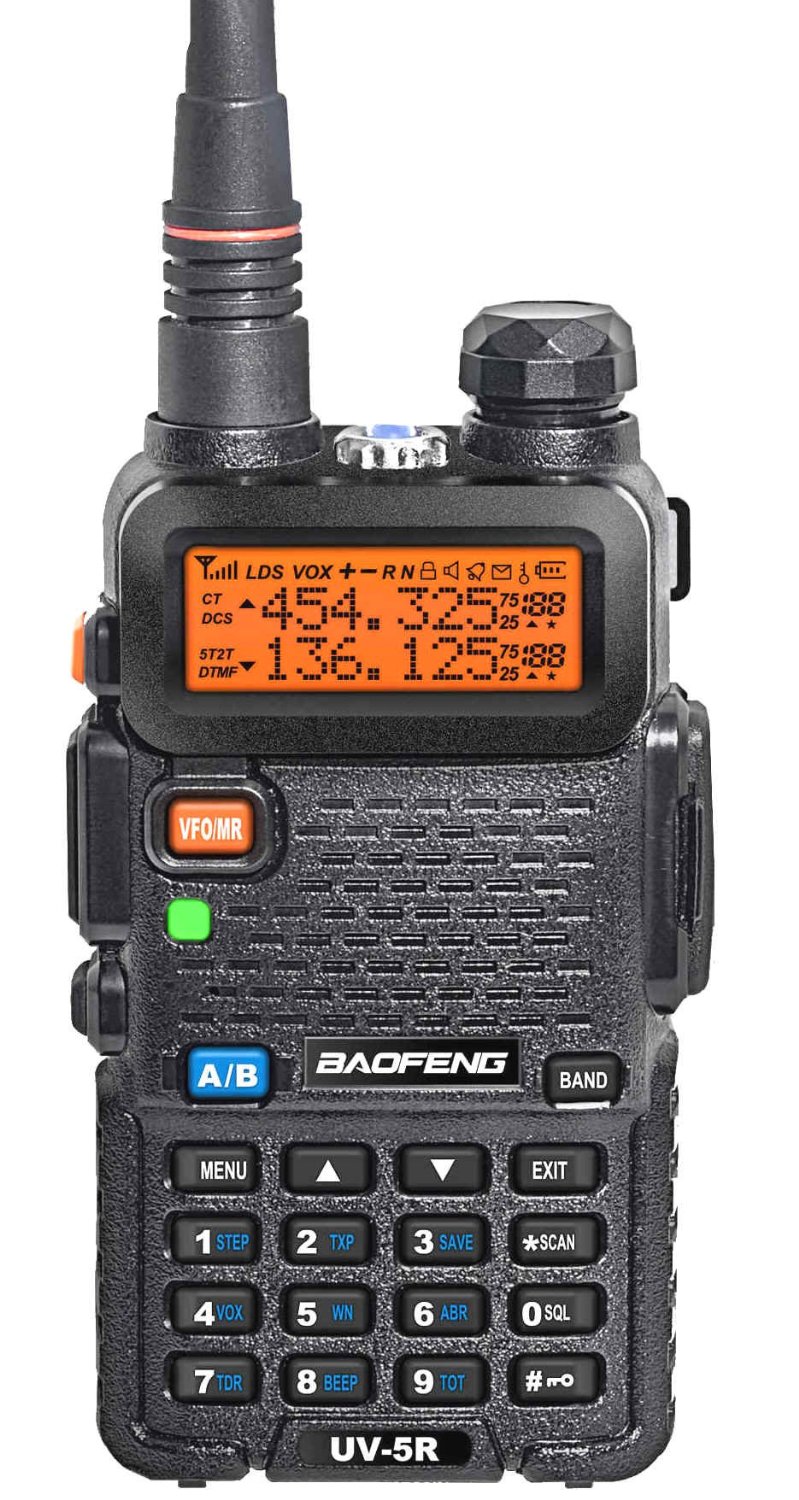 After passing my Technician license exam, my Elmer presented me with a congratulatory gift – a radio!
Thank you WE6Z!
The radio is a dual band Baofeng UV-5R, covering 136.00-174.00 MHz and 400.00-480.00 MHz. In addition to the radio, my Elmer substituted a 17 inch antenna rather than the standard stock “rubber duck”.
Manufacturer’s website – Baofeng UV-5R
Manuals, software, drivers and other information – http://www.miklor.com/uv5r/
After a brief cram session with my Elmer, Doug, we went down to the test location a few miles from my home. Beforehand, I verified that walk-ins were accepted, confirmed the fee was $15 (I brought cash) and brought a few extra number two pencils and a pen. After signing in and completing a small amount of paperwork, I took my exam.
I scored 31/35 for a passing grade! I think I recognized about 2/3 to 3/4 of the questions on my exam. Practice exams and gaining insights from my Elmer really made the difference. I passed the test on a Thursday and one of the test administrators said I should receive my official call sign from the FCC on Wednesday of the following week.
 When I was 5 years old, my dad took a course covering the ham radio technician class exam. (What is ham radio?) I attended the weekly night classes with him and pretended to follow along and stay awake. Recently, I discovered a copy of the technician class manual along with some of my practice exams. I consider scoring 11/35 and 14/35 pretty good for a kid.
One of my coworkers rekindled my interest in ham radio and encouraged me to take the technician exam. To prepare to pass the technician exam (the entry level operator class), I started by visiting the ARRL website to learn more about it. You must pass a 35 question, multiple choice test covering basic regulations, operating practices and electronics theory, with a focus on VHF and UHF applications. Passing the exam gives you the privilege to transmit on certain bands, designated for your operating class (see band plan).
Luckily, I had an Elmer to help me get my license. In ham radio, an Elmer is a friend who provides guidance or assistance to would-be hams. My Elmer’s name is Doug, an extra class operator who’s call sign is WE6Z. Doug, my Elmer, was an invaluable resource while learning the basics of radio operation.
The ARRL uses a 396 question pool to randomly draw the 35 questions for the technician exams. Thankfully, the ARRL makes the question pool with answers available online to everyone. To prepare for the test, I read through several pages of the questions in the pool. What I found to be more helpful was to take online sample tests. The two websites I used were http://aa9pw.com/radio/ and http://www.eham.net/exams/. Both websites grade the exam and show you the correct answers if you answered incorrectly. For someone like me who lacked an electronics background, my Elmer really came in handy to help me understand why my answers were correct or incorrect.
After you decide that you want to take the test, search for an exam location near you. After I chose a date to take the test, this helped me to buckle down and get comfortable with the test questions. I kept taking the practice tests over and over again until I consistently scored around 85%. To pass the technician exam, you must score at least 26 out of 35.